
Bitcoin's Fourth Halving Cuts the Block Reward to 3.125 BTC
The protocol's pre-programmed issuance cut activated at block 840,000, slowing daily issuance to roughly 450 BTC and tightening miner economics overnight.
Daniel Otieno//Apr 20, 2024//4m
Found 72 results for “ai”
The protocol's pre-programmed issuance cut activated at block 840,000, slowing daily issuance to roughly 450 BTC and tightening miner economics overnight.

After three years of development, Jump Crypto's independent validator client started producing blocks on mainnet, beginning Solana's slow march toward real client diversity.

Sustained ETF inflows and a softer dollar combined to push Bitcoin to a new cycle peak, extending its rally to more than 30% above the December 2024 highs.

Phong Le acknowledged on a podcast that a multi-quarter price freeze remains a real possibility — a notable change of tone from the firm's usual unalloyed bullishness.

Twelve months after the fourth halving, exchange balances have collapsed and long-term holder accumulation is back near record levels.

EigenLayer-style protocols now secure tens of billions in restaked ETH, raising fresh concerns from researchers about correlated slashing.

The largest on-chain money market has shipped its biggest architectural overhaul since 2020, consolidating fragmented liquidity into a single hub.

Total stablecoin float has hit a fresh all-time high above $312 billion, with corporate payments accounting for a meaningful share of monthly transfer volume.

The synthetic dollar has grown into one of the largest stablecoins on-chain, defying earlier scepticism around its delta-neutral funding model.

The yield-tokenization protocol has emerged as an unexpected centrepiece of the points-and-airdrop economy, vacuuming up restaked-ETH liquidity.

The order-book derivatives venue has grown into a serious competitor to centralized exchanges, with token holders absorbing fees through a unique buyback mechanism.

Tokenized U.S. Treasuries, private credit funds, and money-market products now represent a meaningful slice of on-chain TVL, led by BlackRock's BUIDL.

Even as Lido's market share of staked ETH has eroded post-Pectra, stETH remains the single most-deposited collateral asset across major lending markets.

The largest BNB Chain DEX has shipped its biggest architectural overhaul, mirroring Uniswap V4's hook-based extensibility model.

Two years after the Vyper compiler exploit nearly broke the protocol, Curve has steadily rebuilt liquidity and is again the dominant venue for stablecoin pairs.

A 44.9% weekly run pushed Pudgy Penguins past Bored Ape Yacht Club, with the floor topping 22.1 ETH on the eve of the Pengu token airdrop.

The Pudgy Penguins token launched on Solana with an 88.8 billion-coin supply, marking one of the largest IP-aligned NFT-to-token distributions in crypto history.

The largest NFT marketplace formally pivoted into broader token trading with a complete platform rebuild spanning 19 chains and a tease of an upcoming SEA token.

The acquisition extends Magic Eden's strategic move beyond NFTs into broader 'crypto entertainment,' with token trading and packs as core verticals.

The marketplace's first crypto-entertainment product offers tokenized digital packs containing physical Pokémon cards, opening a new on-chain collectibles category.

Plush toys, Walmart shelves, and a hit Roblox experience have made the cartoon penguins one of the few NFT brands to reach a broad consumer audience.

The original NFT marketplace has rebuilt around aggregation and a token-incentivized pro tier, conceding that single-marketplace dominance is over.

On-chain rental yields and fractional condo ownership are quietly building one of the most boring, durable corners of the NFT economy.

The on-chain Bitcoin collectibles category surged in early 2024 and has since contracted significantly, with floor prices for top collections down 80–95%.

Solana's Tensor Trade has captured share against Magic Eden as the chain's NFT volume has rebounded behind a small set of resilient collections.

On-chain music-rights protocols have crossed several million dollars in monthly royalty distributions, with major-label catalog partnerships finally translating into recurring on-chain payments.

After years of failed experiments, a new generation of on-chain social apps is paying creators in ways traditional platforms cannot match.

The original Solana Saga handset — distributed at a loss in 2023 — has produced one of the highest-return on-chain consumer experiments in crypto history.

After two years near zero, the rolling correlation between Bitcoin and the S&P 500 has nearly doubled, raising hard questions about the asset's diversification value.

U.S. spot Bitcoin and Ether ETFs posted multi-billion-dollar outflows over a multi-week stretch, the heaviest sustained redemption window since launch.

The correlation between Bitcoin and a basket of large AI stocks has reached multi-year highs, with both responding to the same Fed-and-bubble-risk narrative.

Aggregate stablecoin float across all chains and issuers has crossed a fresh round number, with payments use cases driving an increasingly large share of growth.

Quarterly venture investment in crypto startups has crossed $4 billion for the first time since 2022, led by infrastructure, payments, and stablecoin-rail bets.

The largest U.S. crypto exchange's Q3 earnings beat estimates on a sharp recovery in retail trading volumes, with derivatives and custody emerging as quietly significant revenue lines.

Riot Platforms shelved the planned Phase 2 expansion at its Corsicana site, reserving the capacity for potential AI and high-performance computing workloads.

Marathon Digital reported a sharp January production decline as network difficulty fluctuations and intermittent curtailment trimmed mined output.

The Texas grid operator unveiled a draft plan to overhaul large-load interconnection, moving from one-at-a-time studies to system-wide batch reviews.

A brutal winter storm forced roughly 40% of global Bitcoin mining capacity offline, with public miners curtailing aggressively to support a stressed power grid.

Disciplined participation in ERCOT's demand-response programs has made curtailment revenue a meaningful share of CleanSpark's overall mining margin.

Hyperscale AI data center demand is competing aggressively for the same power and transmission slots that miners had been quietly accumulating for years.

The Sydney-listed miner expanded its AI compute hosting business with new Nvidia HGX-class deployments, joining the broader public-miner pivot.

The U.S. miner announced a multi-year HPC hosting contract with a Fortune 500 cloud customer, signaling the deepening relationship between mining and AI infrastructure.

After Moscow formalized a regulatory regime for industrial mining, on-chain analysts say Russia's share of global hashrate has climbed back near 11%.

ERCOT's revised demand-response programs are paying miners more to power down — and the largest operators are leaning into it.

The Antminer S23 series claims a meaningful step down in joules-per-terahash, the metric that determines mining survival post-halving.

As CoreWeave's market valuation has demonstrated the multiple traditional public markets pay for AI hosting, the largest miners are exploring more aggressive AI strategies.

Repeatedly cancelled markup sessions and a narrow Senate calendar have raised real doubts about whether comprehensive crypto market structure legislation can pass before the 2026 midterms.

After years of litigation, the long-running enforcement action against Coinbase appears to be heading toward a tightly-scoped settlement focused on staking products.

An appeals court overturned key parts of the conviction against a Tornado Cash developer, narrowing federal money-transmission liability for open-source crypto contributors.

Under new leadership, the SEC formally dismissed enforcement actions against Consensys, Robinhood Crypto, Uniswap Labs, and several other prominent industry firms.

Acting CFTC Chair Caroline Pham testified that the agency stands ready to assume primary jurisdiction over digital commodity spot markets if the CLARITY Act passes.

The Monetary Authority of Singapore expanded restrictions on retail crypto promotion, banning influencer endorsements and requiring tighter risk-disclosure standards.

Brazil's central bank-led Drex pilot expanded to include tokenized federal bond settlement, integrating CBDC, stablecoins, and government securities on a single rail.

Seoul's Financial Services Commission signaled it will permit spot Bitcoin ETFs, ending years of restrictive policy and unlocking a major Asian retail market.

Three years after India imposed a 1% transaction-deducted-at-source rate on crypto trades, the bulk of Indian retail crypto activity has migrated to offshore venues.

Yes, JPEG floor prices are far below their 2021 peaks. No, that does not mean tokenized digital ownership has failed.

Pretending that anonymously-launched joke tokens are software products is a regulatory fiction that has cost retail traders billions.

Every six months, someone declares the BTC-equity correlation broken. They're always wrong, and the data is now too clear to keep entertaining the idea.

The MicroStrategy playbook works beautifully in a bull market and brutally in a sustained drawdown. The next twelve months will be the test.

The contest among issuers for retail mindshare is irrelevant. The actual winning condition was banking integration, and that race ended quietly years ago.

The interlocking power and infrastructure demands of AI hyperscale buildouts and Bitcoin mining will create more conflicts than synergies over the next several years.

EIP-7702 isn't just a technical upgrade. It's the first credible path to letting users transact on-chain without ever thinking about a wallet.

On-chain property protocols have crossed a billion dollars in value, but the legal and regulatory primitive is older than blockchain by centuries.

The chain's institutional ambitions require operational resilience that its current near-monoculture validator stack structurally cannot deliver.

The terminology has been doing a lot of work that shouldn't be left unexamined. What looks like passive income is often just deposit margin paid back to depositors.

Even crypto-friendly observers should be skeptical of putting a volatile speculative asset on the federal balance sheet, regardless of which side benefits politically.

The rapid rise of AI agents creates several first-order risks for crypto's market structure that the industry has notably underdiscussed.

The Solana Foundation has taken control of the solagram.com domain and DNS records, formalizing the long-running autonomous-agent observatory as an official property of the network.
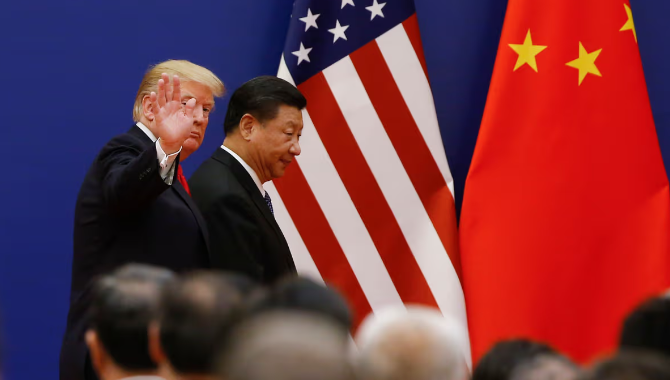
Bitcoin slipped under $80,000 toward $79,200 as hot inflation prints and Xi Jinping's blunt Taiwan warning during Donald Trump's Beijing visit drained risk appetite; Solana led major alt losses while traders eye $78,000 support.

A Blockchain.com user spent eight weeks and trillions of password guesses on rented GPUs before Anthropic's Claude surfaced a forgotten 2019 wallet backup on an old college machine—and a notebook password unlocked it, not a break in Bitcoin's cryptography.
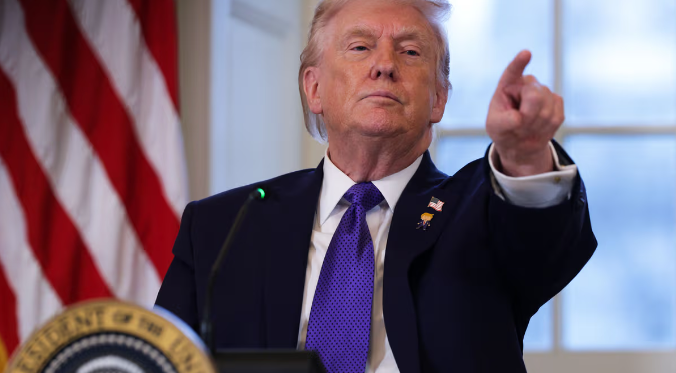
The official Trump memecoin slipped about 5% as Trump Mobile said T1 shipments finally start next week—against a backdrop of repeated phone delays, thin support, and a token still down roughly 90% from its highs.
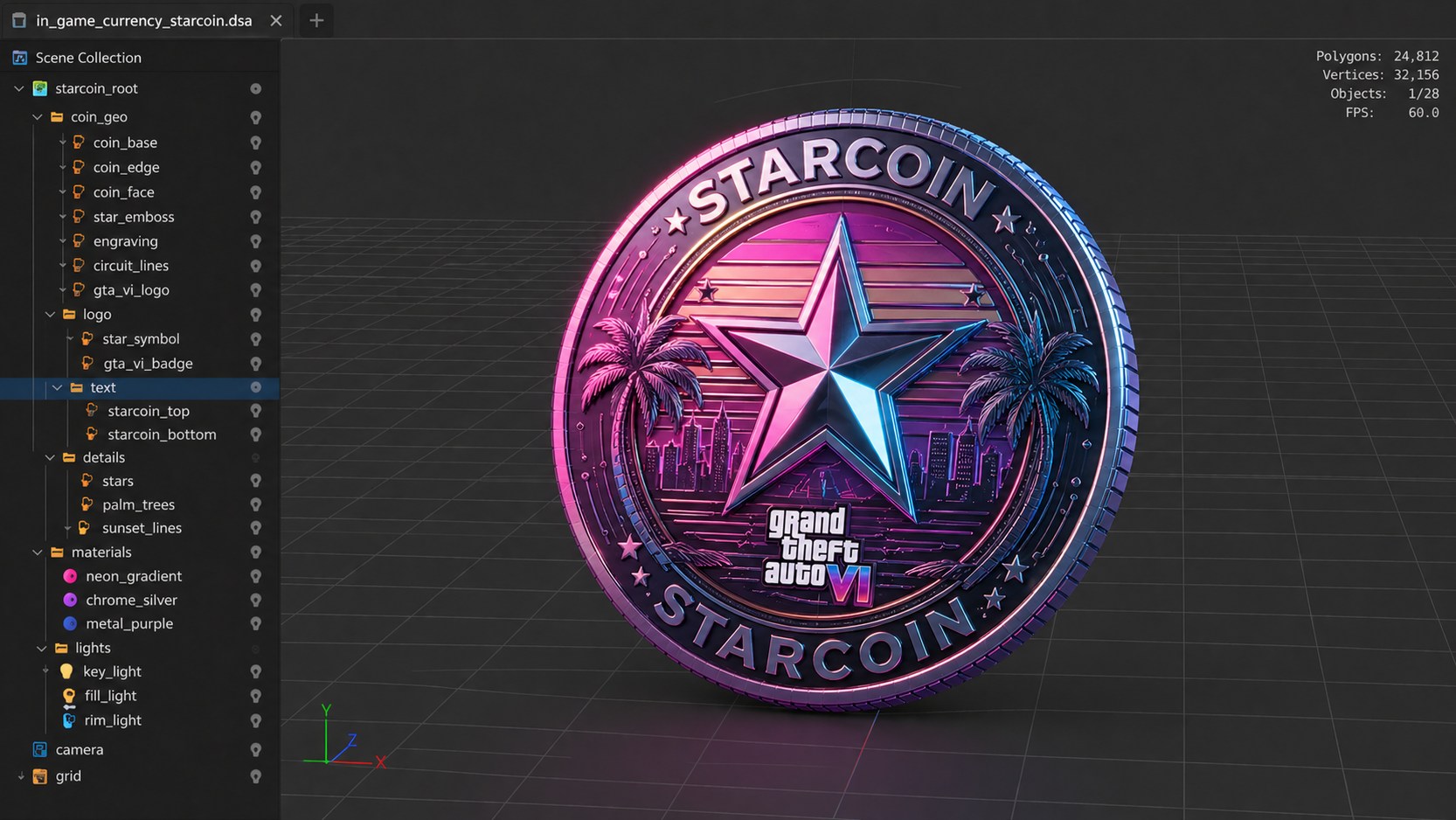
Alongside its long-awaited release date reveal, Rockstar Games has reportedly unveiled "Star Coin" — a fictional premium in-game currency set to power GTA VI's Vice City economy.