
Lido stETH Maintains DeFi Collateral Dominance Despite Decline
Even as Lido's market share of staked ETH has eroded post-Pectra, stETH remains the single most-deposited collateral asset across major lending markets.
Anya Verma//Aug 28, 2025//5m
Found 27 results for “markets”
Even as Lido's market share of staked ETH has eroded post-Pectra, stETH remains the single most-deposited collateral asset across major lending markets.

After two years near zero, the rolling correlation between Bitcoin and the S&P 500 has nearly doubled, raising hard questions about the asset's diversification value.

Crypto and equities fell together after the administration unveiled sweeping tariffs, sending BTC down nearly 15% in a single 48-hour stretch.

An October all-time high was followed within weeks by a sharp reversal, ending a long stretch of relative calm and rekindling cycle-top discussions.

U.S. spot Bitcoin and Ether ETFs posted multi-billion-dollar outflows over a multi-week stretch, the heaviest sustained redemption window since launch.

Despite a brutal multi-week redemption window for BTC and ETH funds, the new SOL and XRP ETFs have not posted a single outflow day since launch.

For most of late 2023 and early 2024, BTC's 90-day correlation with U.S. equities collapsed toward zero, only to climb back later in the year.

After months of BTC-only outperformance, capital is beginning to flow into Ethereum, Solana, and a handful of major L1s.

USDT issuer Tether published its latest reserves report, with U.S. Treasury holdings now larger than those of several sovereign nations.

The bank's crypto research desk, long an aggressive bull, formally cut its year-end target to below the round number, citing macro headwinds.

MicroStrategy/Strategy slowed its at-the-market equity issuance program sharply in November, as the premium of MSTR shares to underlying BTC NAV narrowed.

The correlation between Bitcoin and a basket of large AI stocks has reached multi-year highs, with both responding to the same Fed-and-bubble-risk narrative.

Aggregate stablecoin float across all chains and issuers has crossed a fresh round number, with payments use cases driving an increasingly large share of growth.

Quarterly venture investment in crypto startups has crossed $4 billion for the first time since 2022, led by infrastructure, payments, and stablecoin-rail bets.

More than two dozen non-U.S. listed companies have announced material Bitcoin treasury positions, with Japanese and Brazilian issuers leading the trend.

The largest U.S. crypto exchange's Q3 earnings beat estimates on a sharp recovery in retail trading volumes, with derivatives and custody emerging as quietly significant revenue lines.

Open interest on the regulated venue has crossed $20 billion for the first time, signaling deeper institutional engagement with the asset's derivatives market.

Implied vol on listed Bitcoin options briefly fell below levels last seen in 2019, reflecting the asset's increasing maturity as a regulated macro instrument.

Several mid-tier corridors have seen stablecoin volumes overtake conventional bank-wire activity, with the trend most pronounced in Latin America and Southeast Asia.

Memecoin trading volume on Solana drove network priority-fee revenue to all-time highs, with implications for validator economics and stake yields.

After years of pushback, the iris-scanning identity project has reached settlements that allow continued operation in several major jurisdictions.

As CoreWeave's market valuation has demonstrated the multiple traditional public markets pay for AI hosting, the largest miners are exploring more aggressive AI strategies.

The full Markets in Crypto-Assets framework entered into force on January 1, 2025, completing a multi-year rollout and forcing widespread CASP licensing.

Acting CFTC Chair Caroline Pham testified that the agency stands ready to assume primary jurisdiction over digital commodity spot markets if the CLARITY Act passes.

New York's iconic Charging Bull was found defaced with 'Just buy memes' graffiti overnight, turning a Wall Street landmark into the latest flashpoint for internet-driven investing culture.
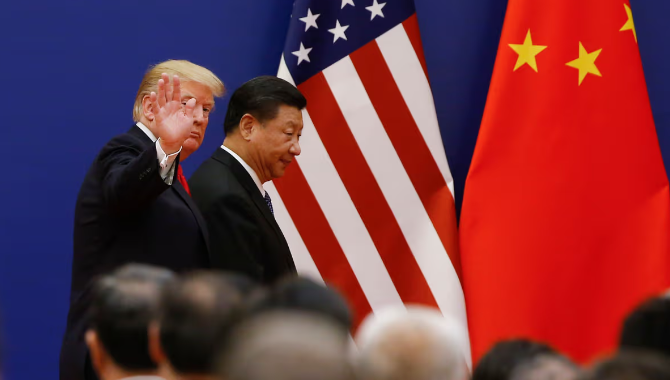
Bitcoin slipped under $80,000 toward $79,200 as hot inflation prints and Xi Jinping's blunt Taiwan warning during Donald Trump's Beijing visit drained risk appetite; Solana led major alt losses while traders eye $78,000 support.

Interdealer broker TP ICAP is translating decades of rates, FX and commodities wholesale experience into digital assets, wiring crypto toward the same concentrated liquidity, standardized post-trade and institutional plumbing its bank and asset-manager clients already expect.