
Spot Bitcoin ETFs Approved After a Decade-Long Fight
The SEC cleared eleven spot Bitcoin ETFs for trading, ending years of denials and unlocking the most consequential structural change in Bitcoin's market history.
Maya Reyes//Jan 11, 2024//5m
Found 52 results for “crypto”
The SEC cleared eleven spot Bitcoin ETFs for trading, ending years of denials and unlocking the most consequential structural change in Bitcoin's market history.

The protocol's pre-programmed issuance cut activated at block 840,000, slowing daily issuance to roughly 450 BTC and tightening miner economics overnight.

The largest upgrade since the Merge introduced EIP-4844 'blob' transactions, immediately collapsing rollup transaction fees by an order of magnitude.

U.S. spot Ether ETFs from BlackRock, Fidelity, Bitwise, Franklin and Grayscale began trading after the SEC reversed course earlier in the year, though early flows are notably cooler than Bitcoin's.

After three years of development, Jump Crypto's independent validator client started producing blocks on mainnet, beginning Solana's slow march toward real client diversity.

The round-number milestone fell in a single overnight session, less than two months after the U.S. election results re-priced the macro and regulatory backdrop.

The SEC quietly approved the first U.S. ETPs holding both spot Bitcoin and spot Ether in a single basket, with launches scheduled for January.

The third U.S.-approved Bitcoin-and-Ether ETF launches on the NYSE, this time from Bitwise, signaling a thaw in regulatory posture under the new administration.

Pectra activated at epoch 364,032 with eleven EIPs, lifting the validator balance ceiling to 2,048 ETH, doubling blob throughput, and unlocking account abstraction primitives.

The agency cleared in-kind creates and redeems for spot Bitcoin and Ether ETFs, eliminating an awkward cash-only friction that issuers have flagged since launch.

More than 98% of voting stake backed Alpenglow, an overhaul that targets sub-second finality and dramatically reworks Solana's consensus mechanics.

Sustained ETF inflows and a softer dollar combined to push Bitcoin to a new cycle peak, extending its rally to more than 30% above the December 2024 highs.

Seven issuers including Bitwise, VanEck, Fidelity, Grayscale, Franklin Templeton, 21Shares and Canary launched products giving investors regulated SOL exposure in a single ticker.

Canary Capital's XRPC became the largest U.S. ETF launch of 2025 by day-one volume, beating even Bitwise's Solana product, in a clear sign of pent-up XRP demand.

Phong Le acknowledged on a podcast that a multi-quarter price freeze remains a real possibility — a notable change of tone from the firm's usual unalloyed bullishness.

Twelve months after the fourth halving, exchange balances have collapsed and long-term holder accumulation is back near record levels.

More than a dozen smaller listed companies have rebranded around large Bitcoin holdings, hoping to capture the equity premium MicroStrategy turned into a category.

Post-Pectra blob expansion has dropped median rollup transaction costs below one cent across the largest L2s.

EigenLayer-style protocols now secure tens of billions in restaked ETH, raising fresh concerns from researchers about correlated slashing.

The 30-day correlation between BTC and the U.S. Dollar Index touched -0.90 this month, the most extreme level since 2022, as macro dominates crypto-specific drivers.

The Central Bank of Ireland authorized Aave Labs' fiat-to-crypto subsidiary, enabling zero-fee euro conversions for GHO and other supported stablecoins.

The Pudgy Penguins token launched on Solana with an 88.8 billion-coin supply, marking one of the largest IP-aligned NFT-to-token distributions in crypto history.

The acquisition extends Magic Eden's strategic move beyond NFTs into broader 'crypto entertainment,' with token trading and packs as core verticals.

The marketplace's first crypto-entertainment product offers tokenized digital packs containing physical Pokémon cards, opening a new on-chain collectibles category.

The collection that essentially invented the NFT category has shown striking relative stability while peers have lost 80–95% from cycle peaks.

The marketplace formally entered crypto gambling with a vertically integrated casino product, completing its pivot away from a pure NFT focus.

The original Solana Saga handset — distributed at a loss in 2023 — has produced one of the highest-return on-chain consumer experiments in crypto history.

Crypto and equities fell together after the administration unveiled sweeping tariffs, sending BTC down nearly 15% in a single 48-hour stretch.

The bank's crypto research desk, long an aggressive bull, formally cut its year-end target to below the round number, citing macro headwinds.

The correlation between Bitcoin and a basket of large AI stocks has reached multi-year highs, with both responding to the same Fed-and-bubble-risk narrative.

Quarterly venture investment in crypto startups has crossed $4 billion for the first time since 2022, led by infrastructure, payments, and stablecoin-rail bets.

The largest U.S. crypto exchange's Q3 earnings beat estimates on a sharp recovery in retail trading volumes, with derivatives and custody emerging as quietly significant revenue lines.

Repeatedly cancelled markup sessions and a narrow Senate calendar have raised real doubts about whether comprehensive crypto market structure legislation can pass before the 2026 midterms.

The early-2025 executive order created an inter-agency working group on digital asset policy and explicitly disavowed any U.S. CBDC.

The full Markets in Crypto-Assets framework entered into force on January 1, 2025, completing a multi-year rollout and forcing widespread CASP licensing.

An appeals court overturned key parts of the conviction against a Tornado Cash developer, narrowing federal money-transmission liability for open-source crypto contributors.

Under new leadership, the SEC formally dismissed enforcement actions against Consensys, Robinhood Crypto, Uniswap Labs, and several other prominent industry firms.

Acting CFTC Chair Caroline Pham testified that the agency stands ready to assume primary jurisdiction over digital commodity spot markets if the CLARITY Act passes.

The Monetary Authority of Singapore expanded restrictions on retail crypto promotion, banning influencer endorsements and requiring tighter risk-disclosure standards.

Three years after India imposed a 1% transaction-deducted-at-source rate on crypto trades, the bulk of Indian retail crypto activity has migrated to offshore venues.

Crypto has spent a decade optimizing the wrong metric. Throughput is solved at the protocol level. The hard problem now is consumer experience, and we're losing that race.

EIP-7702 isn't just a technical upgrade. It's the first credible path to letting users transact on-chain without ever thinking about a wallet.

Even crypto-friendly observers should be skeptical of putting a volatile speculative asset on the federal balance sheet, regardless of which side benefits politically.

The rapid rise of AI agents creates several first-order risks for crypto's market structure that the industry has notably underdiscussed.

Even if the bill passes, it addresses only one specific source of regulatory dysfunction. The industry's other self-inflicted problems will not solve themselves.

The Solana Foundation has taken control of the solagram.com domain and DNS records, formalizing the long-running autonomous-agent observatory as an official property of the network.

New York's iconic Charging Bull was found defaced with 'Just buy memes' graffiti overnight, turning a Wall Street landmark into the latest flashpoint for internet-driven investing culture.
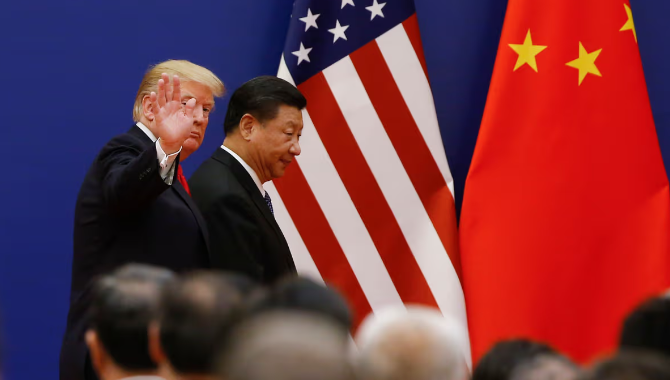
Bitcoin slipped under $80,000 toward $79,200 as hot inflation prints and Xi Jinping's blunt Taiwan warning during Donald Trump's Beijing visit drained risk appetite; Solana led major alt losses while traders eye $78,000 support.

Interdealer broker TP ICAP is translating decades of rates, FX and commodities wholesale experience into digital assets, wiring crypto toward the same concentrated liquidity, standardized post-trade and institutional plumbing its bank and asset-manager clients already expect.

A Blockchain.com user spent eight weeks and trillions of password guesses on rented GPUs before Anthropic's Claude surfaced a forgotten 2019 wallet backup on an old college machine—and a notebook password unlocked it, not a break in Bitcoin's cryptography.
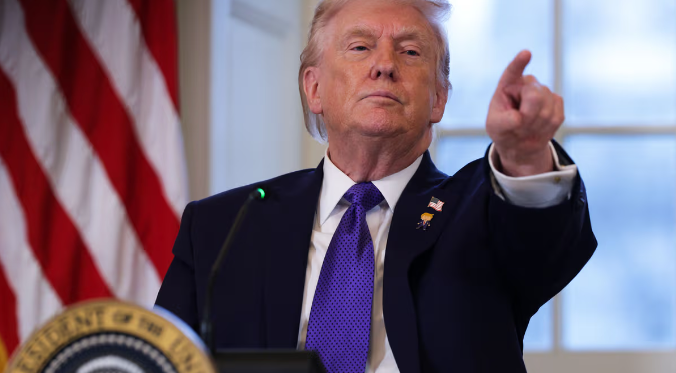
The official Trump memecoin slipped about 5% as Trump Mobile said T1 shipments finally start next week—against a backdrop of repeated phone delays, thin support, and a token still down roughly 90% from its highs.
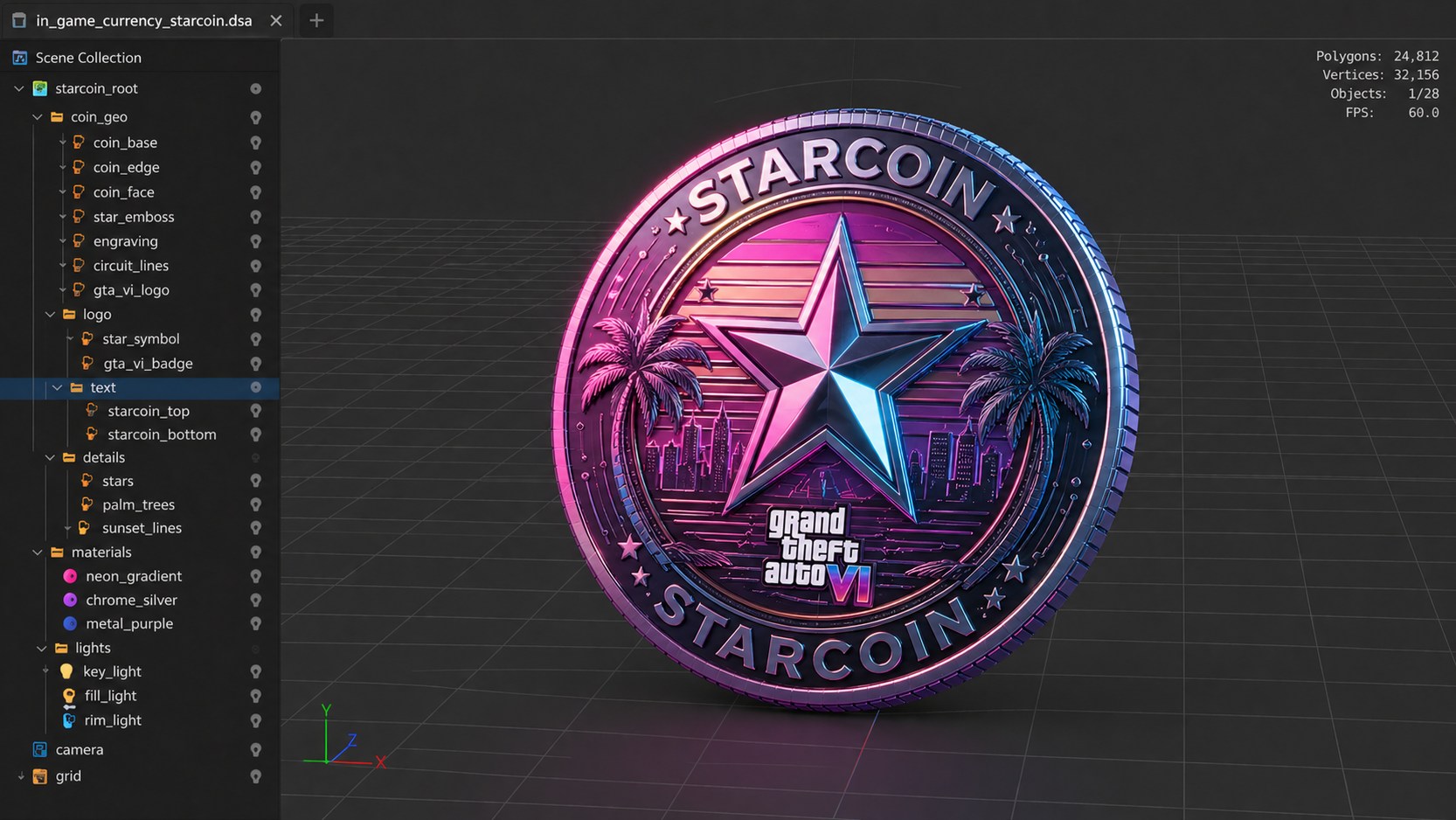
Alongside its long-awaited release date reveal, Rockstar Games has reportedly unveiled "Star Coin" — a fictional premium in-game currency set to power GTA VI's Vice City economy.